


Not only does what you serve matter, but how and where you position food within your dining facility or galley plays an important role in influencing diners’ choices. Purposeful changes to food placement in each serving area can nudge Service Members towards healthier options.
Make the “Green” choice the easy choice
Using food-placement strategies in your dining facility is a simple and quick way to make Green-coded foods and drinks more accessible. Food set-up (also called choice architecture) emphasizes positioning food and drinks to increase the visibility of Green-coded items and decrease visibility of Red-coded items. Strategic food and drink placement encourages diners to choose the healthier, Green-coded options more often for better well-being, performance, and readiness.
Before you can optimize food placement in your dining facility or galley, review your current menu to ensure you’re offering a variety of nutritious, high-performance foods. The foundation for effective food-placement changes is a menu that follows Go for Green® (G4G) principles, such as having 30% or more of your menu consist of Green-coded items. You can use G4G guidelines, menus, and tool kits to plan and offer a mix of flavorful, healthy menu options throughout your facility to support nutritional fitness and boost diner satisfaction.
Once your menu has a variety of performance-enhancing options, adjusting the placement of items can prompt diners to “go for Green.” Keep in mind that diners are more likely to fill their plate with the first items they see. With the purposeful placement of Green-coded items, diners will fill up their plate with nutritious foods. Below are some easy, inexpensive changes you and your staff can make throughout your dining facility or galley to make the healthy choice the easy choice.
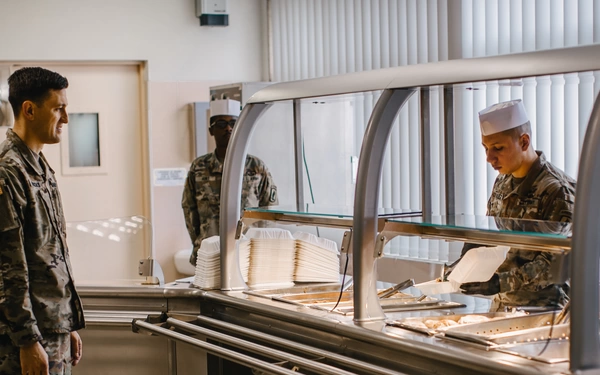
Dining facility areas
Mainline
- Place nutritious, high-performance Green-coded items first, followed by Yellow-coded options, and then Red-coded items.
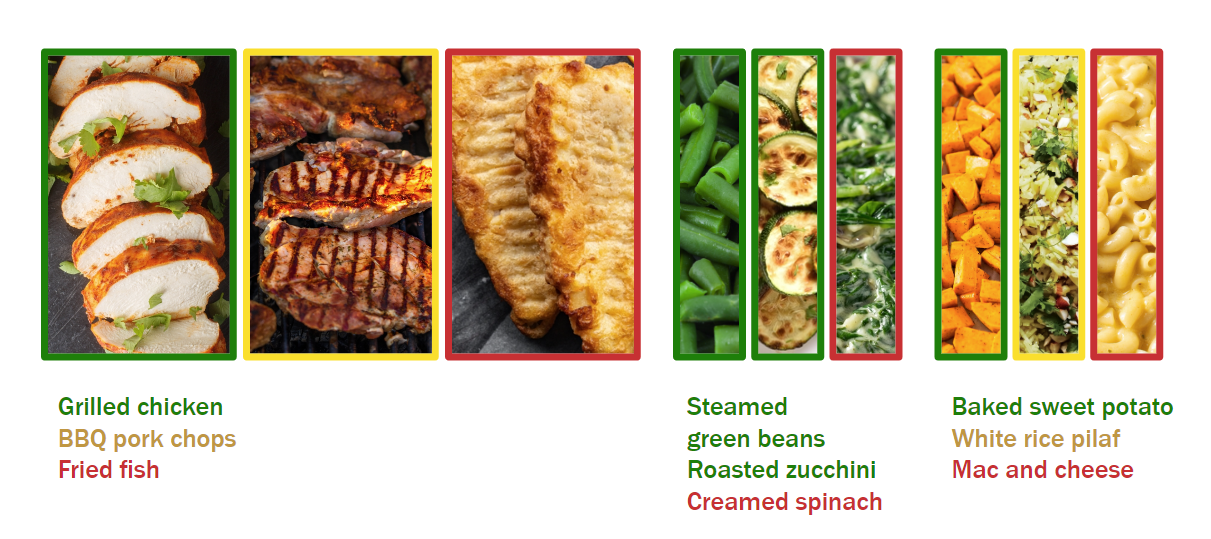
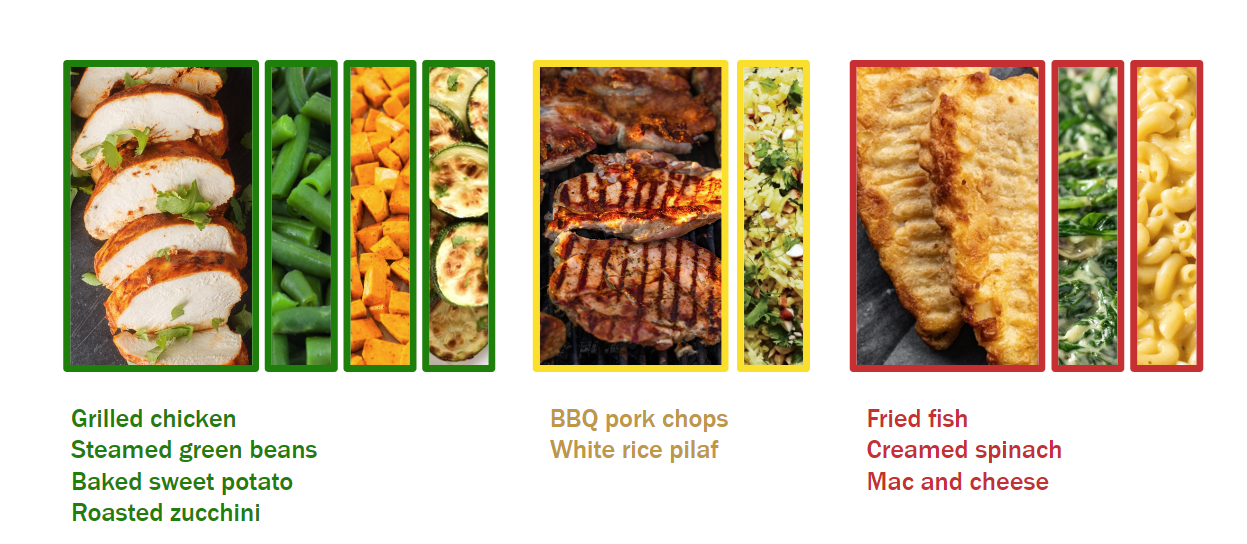
- There are two ways to place Green first:
- Organize your line Green-Yellow-Red by meal component.
- Place all Green items first, regardless of meal component.
- Place brown rice, whole-wheat pasta, and other whole-grain versions of starches first in line.
Deli Bar and Grill
- Increase offerings and promotion of meatless menu items—such as marinated tofu, roasted portobello mushrooms, or black bean burgers—as a tasty protein option.
- Make whole-grain bread, wraps, and pita the default by placing white bread, rolls, wraps, and pita under the counter or away and out of sight.
- If offering pre-made sandwiches, place Green-coded options at or above eye level.
Soup & Salad Bar
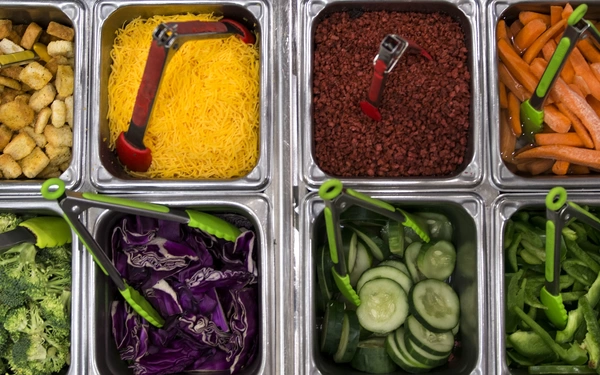 Place fresh, Green-coded toppings in large containers in easy-to-reach locations. Put Red-coded toppings in small containers with smaller utensils and place them in hard-to-reach areas.
- Place Green-coded soup at the front of the line.
- Keep Yellow- and Red-coded dressings below eye level and prominently display Green-coded varieties.
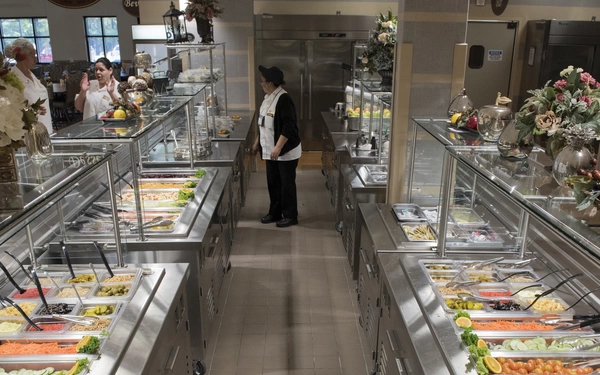
- Place fresh fruits in clear bowls at the front of the Salad Bar.
- Put your Salad Bar and ready-made salads near the dining facility entrance, where they are easily visible, when possible.
Specialty Bars
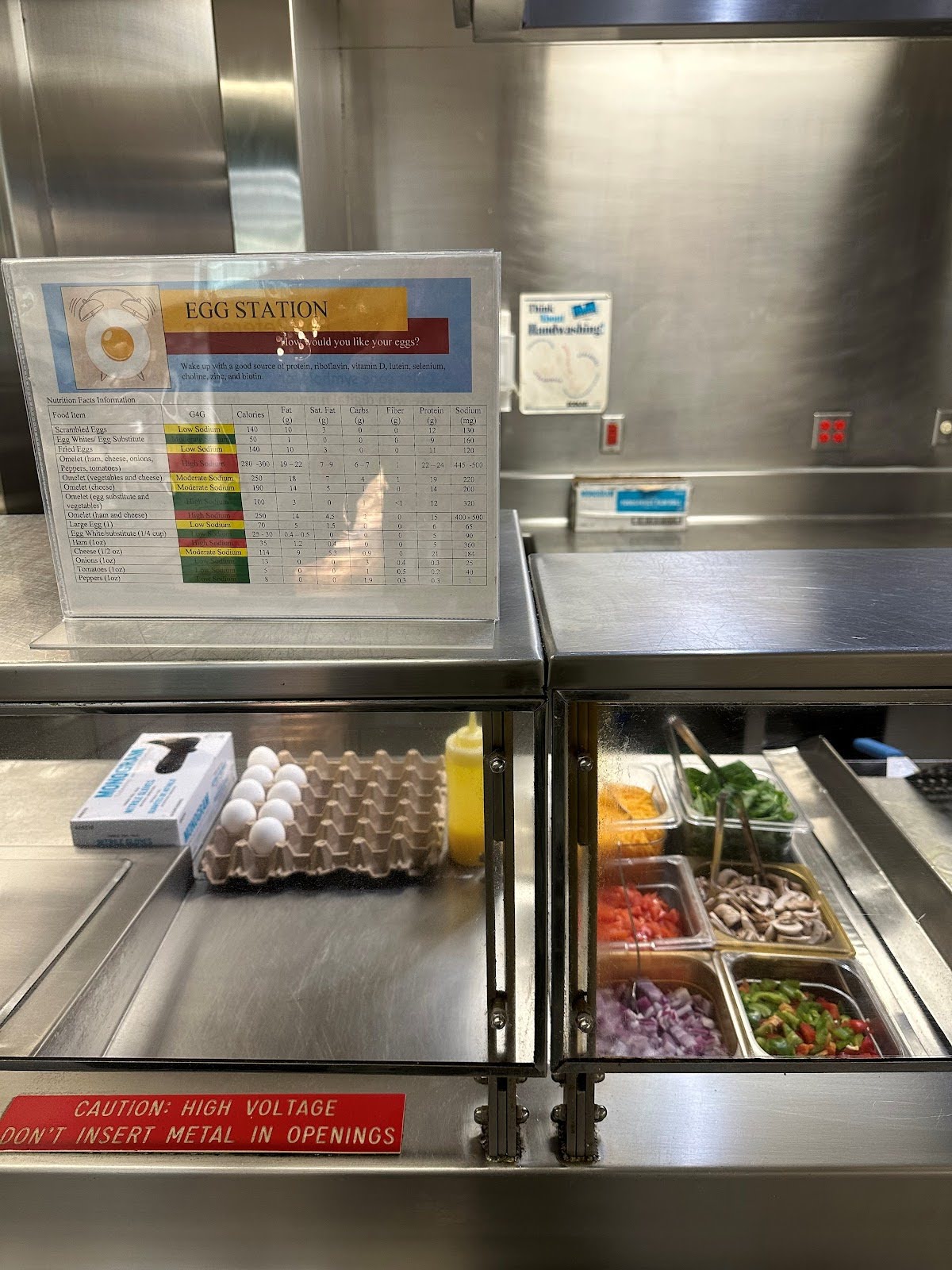
- Ensure that each line offers a Green-coded option for each meal component: entrees, sides, and toppings.
- When possible, place Green-coded items closer to diners, requiring them to reach further for Yellow- and Red-coded options.
- Need inspiration? Check out these G4G guidelines for setting up your Poke Bowl Bar, Taco Bar, and more in our specialty bar section. There are unique guides for each bar as well as the Recovery Bar and food trucks.
Drinks Station
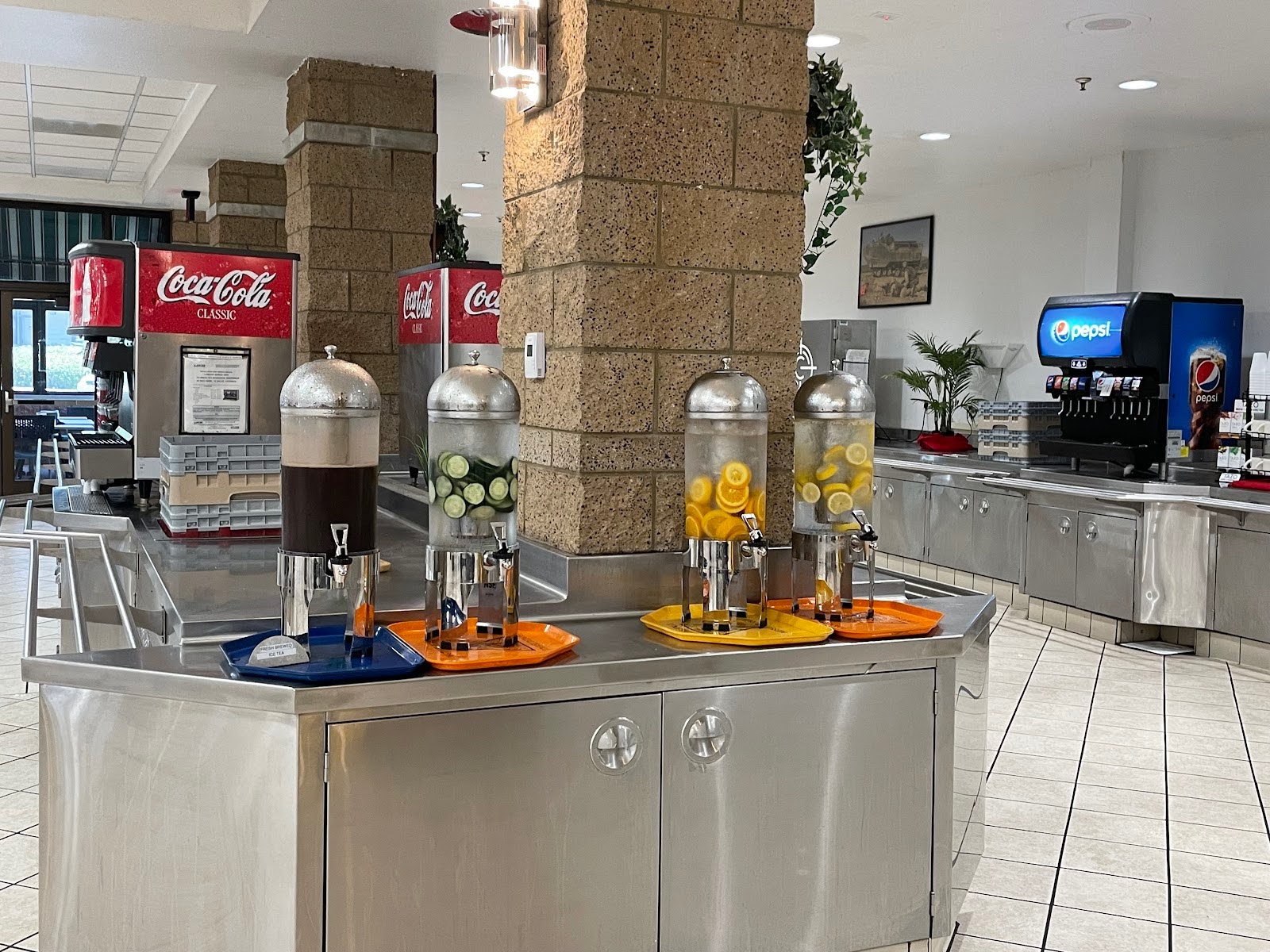
- Provide water and infused water in a prominent space in the drink area and around the dining facility.
- Place milk and 100% juices before soda machines or flavored milk.
- Place sugary drinks and sodas at the end of the station or in less obvious locations.
Dessert Bar
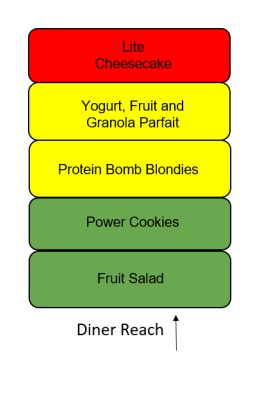
- Reduce the physical size or space.
- Position fruit, fruit-and-yogurt parfaits, and other Green- or Yellow-coded options first in line, in the center, or at eye level (before Red-coded items).
- Store pastries and Red-coded desserts behind the counter and have them available upon request.
- Place the Dessert Bar away from the main traffic flow, in a remote area of the dining facility when possible.
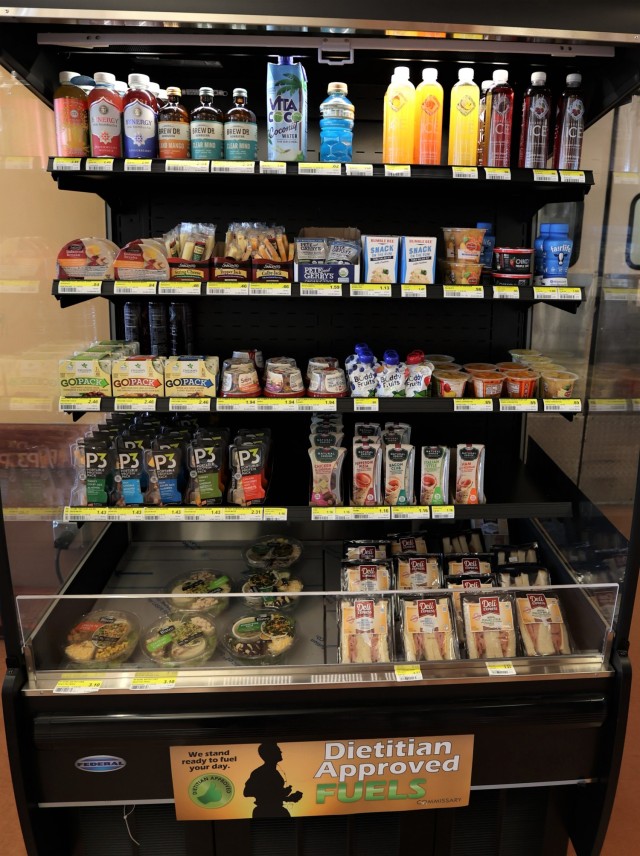 Grab & Go Station
- Put Green- and Yellow-coded chips and snacks at or above eye level. Place fried varieties at the bottom of the snack display rack.
- Serve high-volume Green-coded items in the largest pans your station or setup accommodates. Offer Red-coded options in the smallest pans or containers that your station or setup accommodates and pair them with the smallest serving utensils.
- Place Green-coded sandwiches, wraps, and other options at or above eye level.
- Display individual milk, water, and other low-sugar drinks at or above eye level. Put soda, sugary drinks, and other Red-coded items at the bottom of the display.
Cash registers/Checkout
- Place fruits, mixed nuts, Green-coded granola bars, and similar items by the register instead of chips, candy, and those high-calorie snacks you typically see at the checkout.
- Place a cooler filled with Green-coded drinks or foods near the register. Include nutrient-rich items like fresh fruits and veggies, hummus, peanut butter, milk, water, and 100% juice.
Simple changes can help diners make healthy choices when filling their plates. Shifting your diner flow as well as the location of entrees, sides, and toppings within each line also can prompt Service Members to choose Green-coded foods more often. Train staff on the “why” and “how” of G4G food set-up at dining facilities, galleys, grab & go stations, snack bars, vending machines, and other food environments across your installation. As a helpful guide to meet these goals, include food-placement strategies within your dining facility’s setup or after evaluating your food landscape with the Military Nutrition Environment Assessment Tool (mNEAT). Also, be sure to include choice architecture goals in your mNEAT action plan to help enhance military fitness, health, and performance.
Published on: December 18, 2025