


You’ve probably gone to your favorite Italian restaurant before a big game, endurance event, or fitness test to have a gigantic pasta dinner and “carb load” because you’ve heard that it can help your performance. While carb loading can work by increasing your energy stores, it only provides a performance edge when executed correctly for long-duration events lasting at least 90 minutes. If not executed correctly, all of that pasta can leave you feeling sluggish instead of energized.
The importance of carbohydrate availability
To really understand carb loading , it helps to start with some basics of sports nutrition. This background will give you the context you need to make sense of carb loading strategies.
First, food, primarily carbohydrates and fats, gives your body the nutrients it needs to make energy for activity. Of these, glucose (sugar) from carbohydrates is your body’s preferred energy source. Your body uses glucose for all kinds of different activities. Those activities could be quick, intense efforts like heavy lifting or endurance events like long-distance rucks. Your brain and nervous system also prefer glucose, since it helps with focus, motor skills, and makes activity feel less tiring.
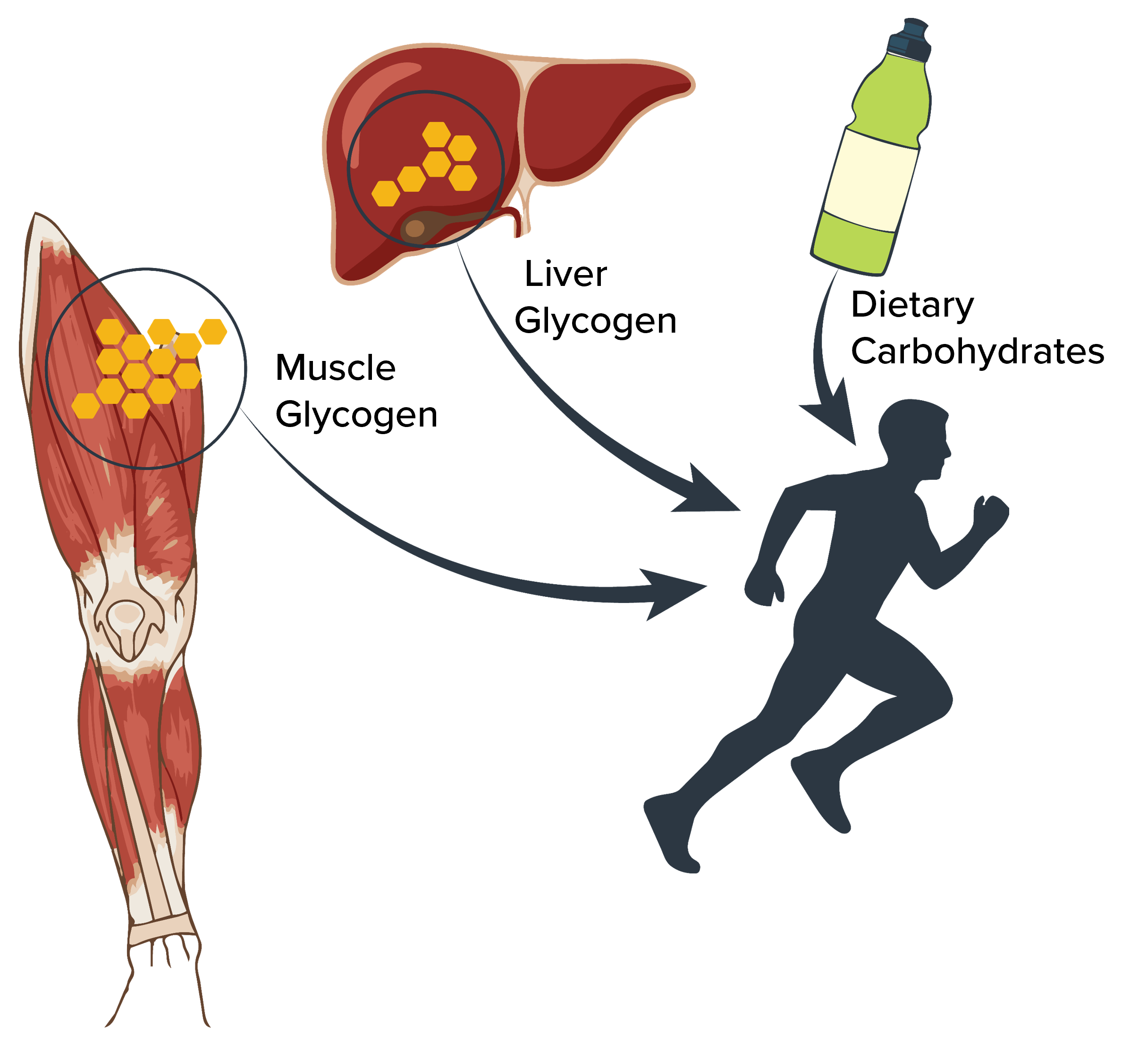
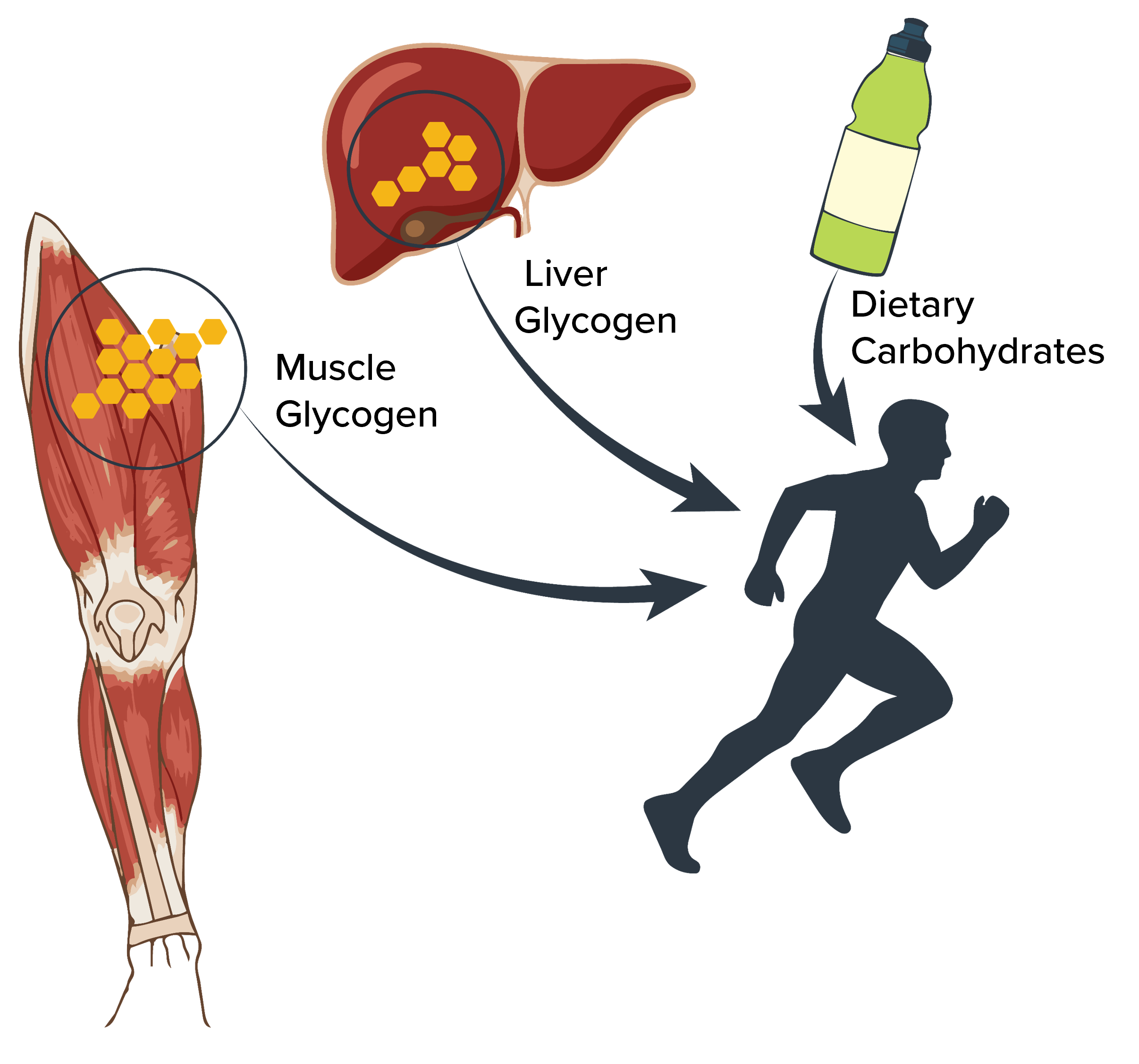
Second, your body stores glucose as glycogen. Glycogen is stored in your muscles and liver as a “glucose reserve.” During exercise, your body breaks down this glycogen to use for energy when it needs it. You can think of glycogen storage like your fuel tank. You want the tank full to perform your best, go longer, and avoid getting tired too soon. When your glycogen runs out, it’s like running on empty.
Carbohydrate availability is the total amount of carbs you have to fuel your exercise bout. This availability includes both the carbs stored in your body (as muscle and liver glycogen) and the carbs you eat before or during your activity. The goal is to “fuel for the work required,” which means making sure you have enough available glucose to power your body for whatever you’re doing.
What is carb loading?
Carbohydrate loading, or carb loading, is an evidence-based strategy to maximize the amount of glycogen stored in your muscles. If you carb load the right way, you can roughly double your muscle glycogen stores, super-filling your “tank,” delaying fatigue, and allowing you to exercise longer.
When should I carb load?
Carb-loading is beneficial for physical activity that lasts 90 minutes or longer. So, consider this strategy for sustained activity like ruck marches, land navigation exercises, long-distance patrol operations, or specialized qualification events.
Carbohydrates are still important for activities shorter than 90 minutes, but in these cases, what matters most is when and how much you eat around your activity. For 2-mile PT runs, cross-training sessions that are shorter than 60-minutes, or high-intensity drills like sprints and obstacle courses, carb loading probably won’t boost your performance or recovery. However, not eating enough carbs before, during, and after may hurt your performance.
How to carb-load the “right way”
Carb-loading is not as simple as eating a carbohydrate-rich meal the night before your event. You need to adjust both your diet and your exercise training in the days leading up to the activity.
Adjusting your diet will require a bit more effort than eating one large pasta meal. In fact, to properly carb load you should eat about 10 grams of carbs per kilogram (2.2 pounds) of body weight in the 36 to 48 hours before your event (see conversion and example below).
During that same time period (36 to 48 hours before your event), you will also need to decrease your activity by tapering (lowering exercise volume or intensity) or resting. This way, your muscles are not using all of the incoming carbohydrates (glucose) for energy but instead storing it as glycogen.
The table below shows you how to properly carb load leading up to an event.
Guidelines for carb loading include:
| Day | Training | Carbohydrate Intake |
| 1 | Taper/rest | 10 to 12 grams per kilogram per day |
| 2 | Taper/rest | 10 to 12 grams per kilogram per day |
| 3 | Activity or Event | Follow pre-, during-, and after-activity fueling plans |
[adapted from: Sports Nutrition: A Handbook for Professionals 7th Edition]
How to calculate carbohydrate needs:
- Your body weight in lbs. / 2.2 = your body weight in kgs
- Your body weight in kgs x 10 grams of carbs = your daily carb needs for carb loading
Example: 150 lbs. person
- 150 lbs. / 2.2 = 68 kg
- 68 kg x 10 g = 680 grams of carbs per day
When carb loading, you can use a mix of carbohydrate-rich foods such as beans, bread, pasta, and fruit, along with drinks like milk, sports drinks, and fruit juice to meet your carb loading goals.
And don’t forget, carb loading doesn’t mean you should ignore your nutrition strategy on the day of the activity. It’s still important to strategize and execute a nutrition plan before, during, and after, your event when you're able.
Bottom line.
Carb loading with 10 to 12 grams of carbohydrate per kilogram of body weight in the 36 to 48 hours before an activity, while tapering your exercise or resting, can maximize muscle glycogen stores and improve performance in events lasting 90 minutes or more. For shorter events, focus on your carbohydrate intake before, during, and after your activity for the best results.

