



Neck pain sidelines more Service Members than you might realize. It's one of the most debilitating musculoskeletal (MSK) conditions worldwide, more common in military populations than in civilian life, and it affects aircrew, ground troops, and support personnel alike. It's also a leading reason for missed deployments, medical evacuations, lost workdays, and being grounded from flight status.
The military neck pain burden
In studies of various military jobs, up to 78% of Service Members reported having neck pain at some point. The drivers of neck pain often overlap across jobs: head-borne load, sustained or awkward postures, and the fatigue of long duty days. The weight of helmets and night vision goggles (NVGs) that aircrew wear for hours, combined with cramped conditions and high-G forces of high-performance airframes, compounds the load on the neck. Support and office personnel hold sedentary, screen-bound postures that count as risk factors on their own.
What makes the neck different
Your head weighs about 11 pounds and is carried by a long, flexible column, your cervical spine, composed of 7 small bones stacked on top of each other. Unlike your mid and lower back, where larger vertebrae and the rib cage add support, the cervical spine has little bony stability of its own. Much of that job falls to the surrounding muscles. Your neck muscles stabilize and control your head position when you're carrying gear, moving quickly, or holding your posture for long periods. Those demands call for two qualities: the endurance to hold your head steady hour after hour, and the strength to resist a sudden, forceful movement. Neck training builds both. Specific neck and shoulder exercises can improve your strength and reduce neck pain over your years of service.
Neck strength and concussion risk
Neck pain and concussion often go together. If you're recovering from a concussion and your neck hurts, tell your provider.
A stronger neck can lower your concussion risk. How? Strong neck muscles limit how far and how fast your head moves during a forceful impact. Your brain then moves less inside your skull, which lowers that risk. Neck strength and circumference are only two of several factors that shape concussion risk, alongside prior injury history and how the impact happens. Most of the research on neck strength and concussion comes from sports. The same mechanism applies to any impact concussion, whether from a direct blow to the head or a sudden jolt that snaps your head and neck, like a fall or a hard landing. Blast overpressure, the shockwave from an explosion, affects the brain through a different mechanism. Neck strength hasn't been studied as a protective factor against that type of concussion.
What you can do to improve neck pain
Neck pain in military service often builds up gradually, as a result of repeated low-level strain rather than one sudden injury. Keep your whole body moving. Avoid prolonged static postures when you can, take short movement breaks throughout the day, and stay consistent with neck training. Train your neck 2–3 times a week across all the major movement planes: flexion, extension, lateral flexion, and rotation. Follow a structured program like HPRC's Rx3 Neck and Upper Back program. Start with isometric holds before progressing to resistance training, and build up gradually. Meaningful results build over months, so treat neck training as an ongoing habit that pays off as long as you train.

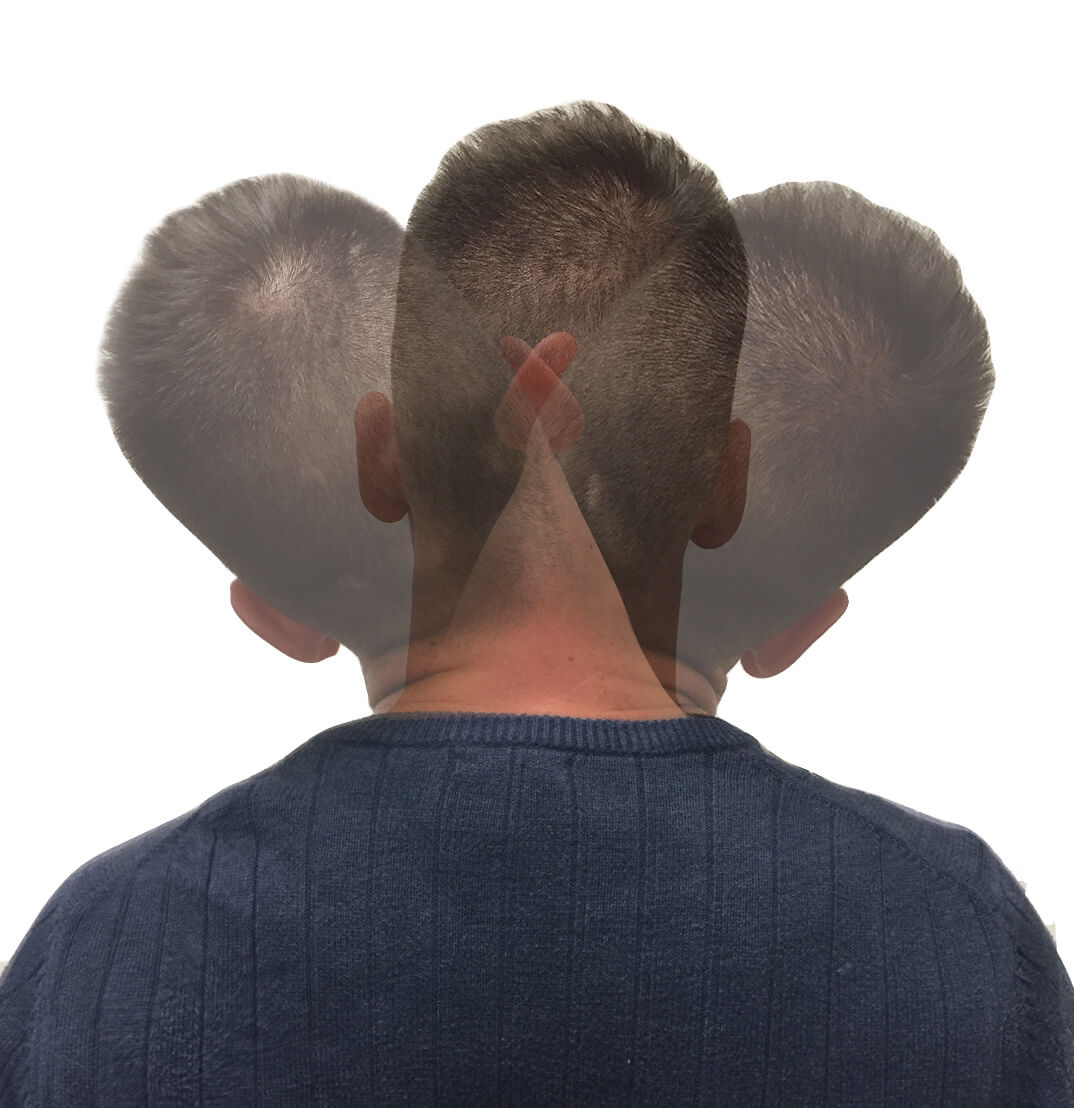
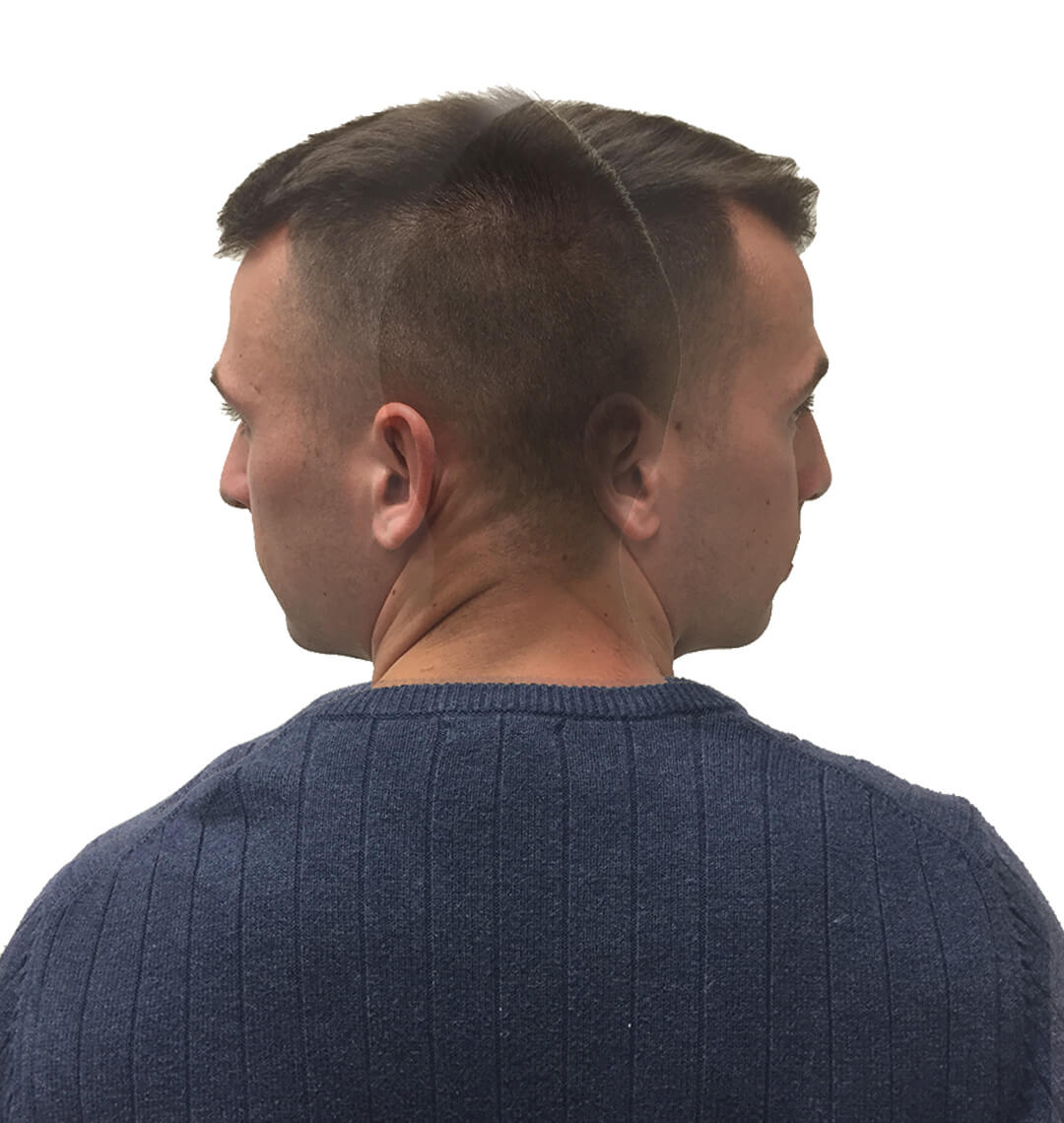
If you're aircrew, pay attention to your gear and posture too. Make sure your helmet and NVGs are properly fitted, since poor fit adds unnecessary strain. Adjust your seat and posture as best you can to keep your neck neutral (head level, ears lined up over your shoulders) while you're in the airframe.
While you should always report neck pain to a medical provider as soon as possible, some cases need care right away. See a provider immediately if you have any of the following:
- Numbness, tingling, or weakness in your arms or hands
- New clumsiness or coordination issues
- Neck pain after a car accident, fall, or hard landing
- Pain with fever or feeling sick all over
- Pain that worsens or keeps you up at night

